Chinese Traditional Wear: A Visual Journey
See how travelers bring Chinese traditional clothing to life at the most beautiful destinations across China. From Hanfu photoshoots on ancient city walls to qipao fittings in art deco lanes — 12 inspiring images with location guides and practical tips.
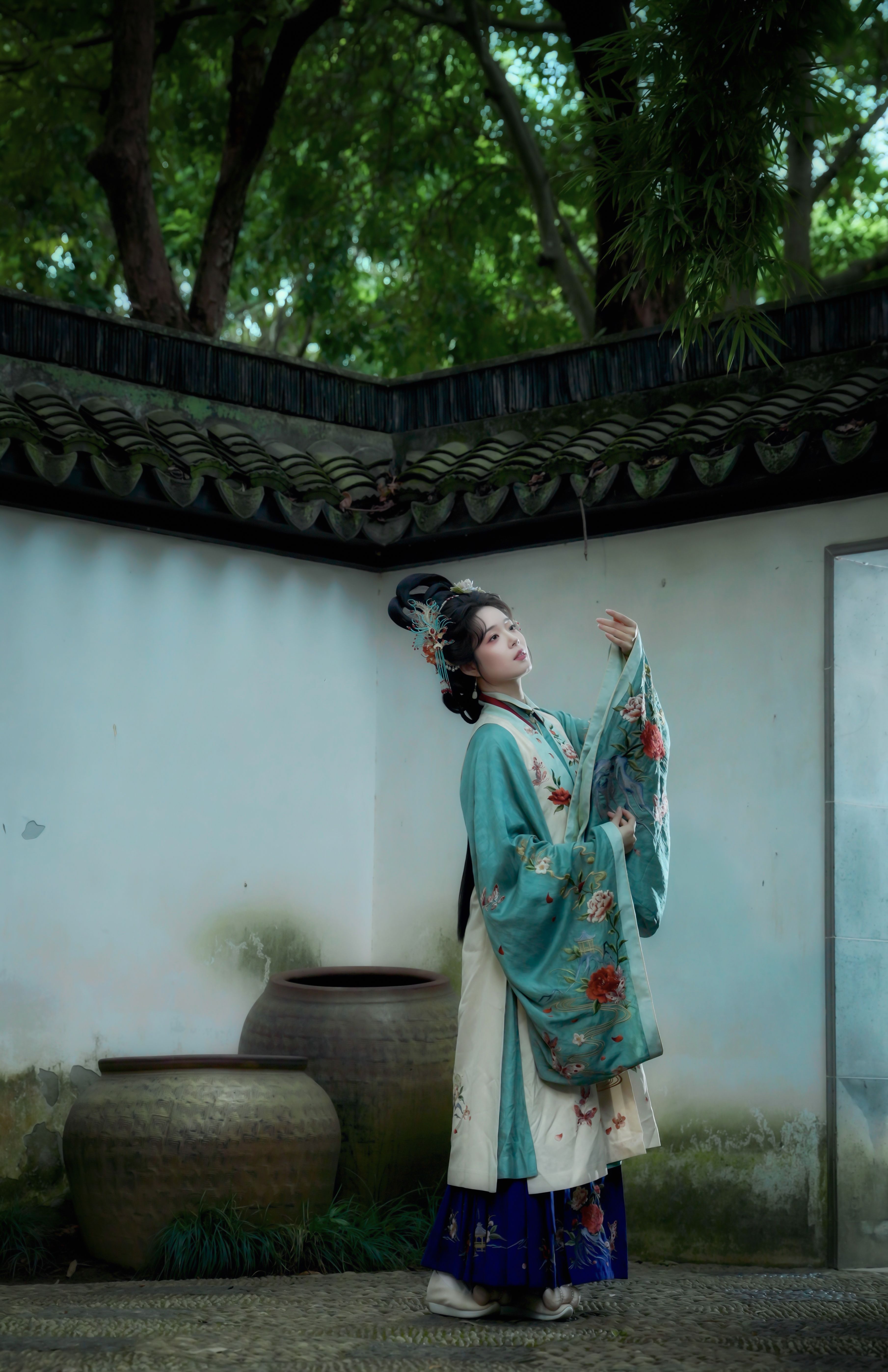
Hanfu Portrait in Studio Lighting
A beautifully styled Hanfu portrait showcasing the flowing silhouette and intricate embroidery of traditional Chinese dress. Studio shoots are an excellent alternative when weather or timing doesn't permit outdoor photography — many rental shops in Xi'an and Chengdu offer indoor studio packages starting from 200 RMB.
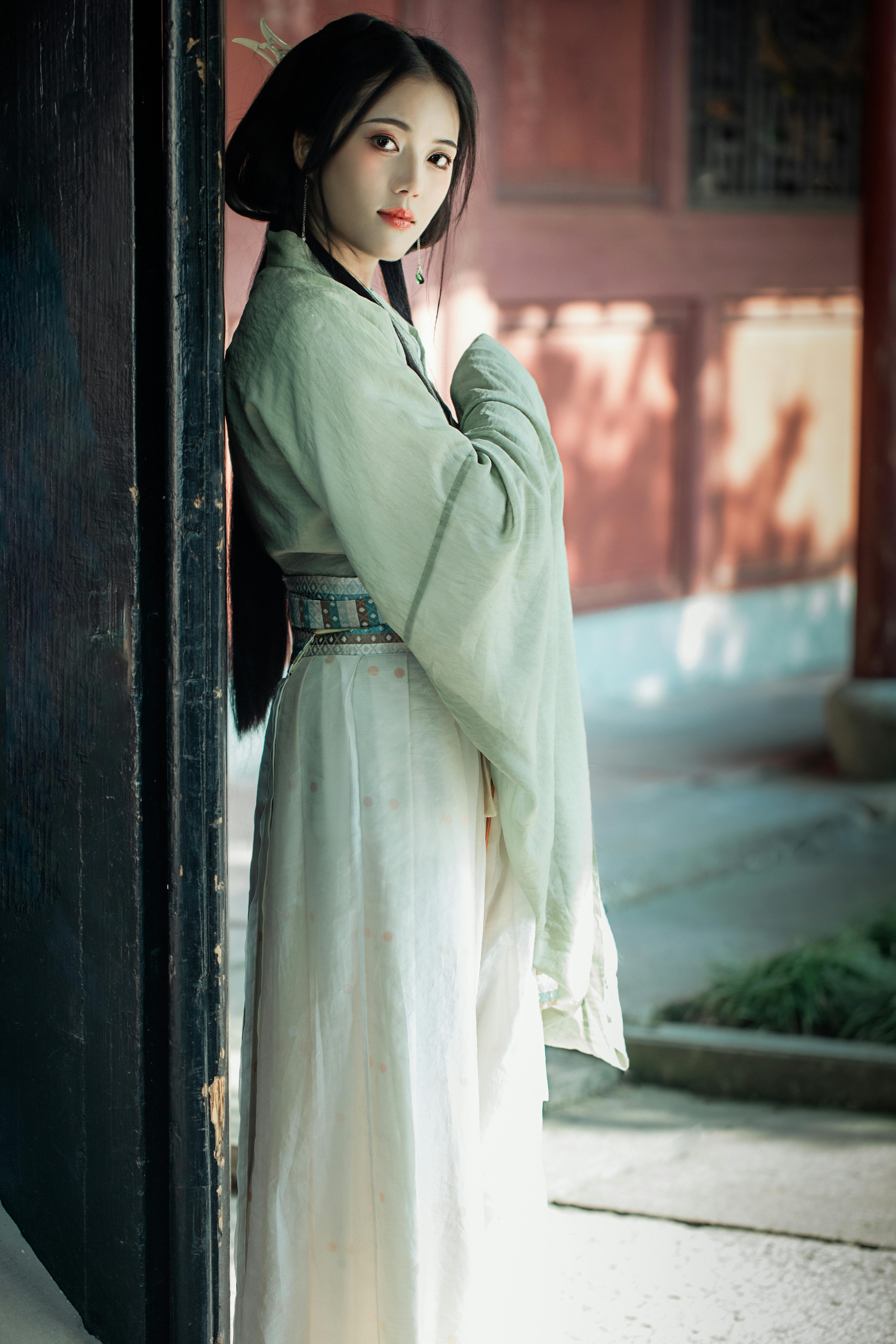
Hanfu at Historic Chinese Architecture
Traditional clothing comes alive against authentic backdrops. Historic architecture — whether a Ming dynasty courtyard, a Song dynasty temple, or a Qing-era garden — provides the most natural setting for Hanfu photography. The contrast between flowing silk robes and aged wooden structures creates a timeless aesthetic.
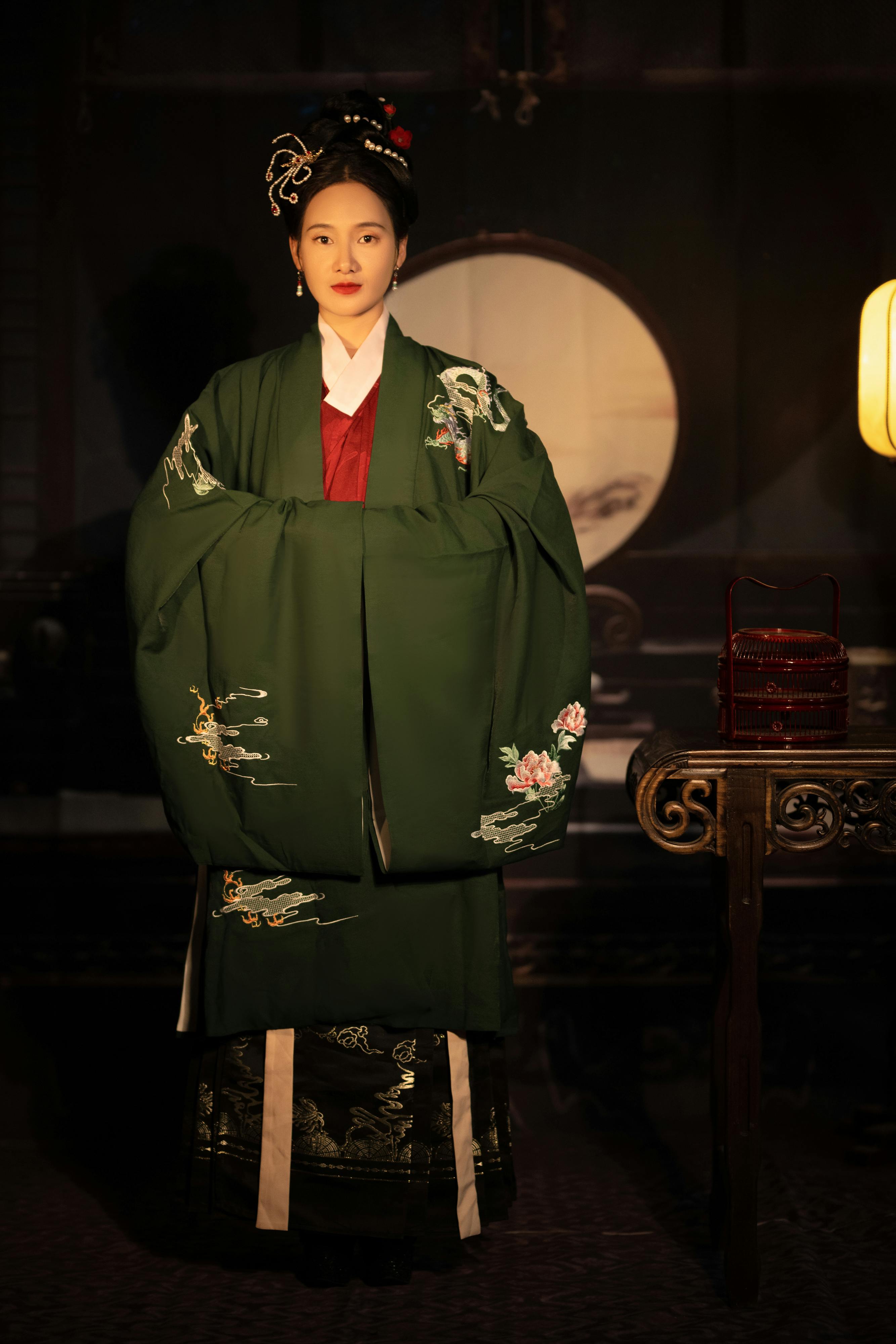
Hanfu with Traditional Accessories & Florals
The full Hanfu experience includes accessories: jade hairpins, embroidered fans, and floral accents complete the look. Most rental shops include basic accessories in their packages. For premium shoots, bring your own props — paper parasols, calligraphy scrolls, or fresh flowers add personality to every frame.
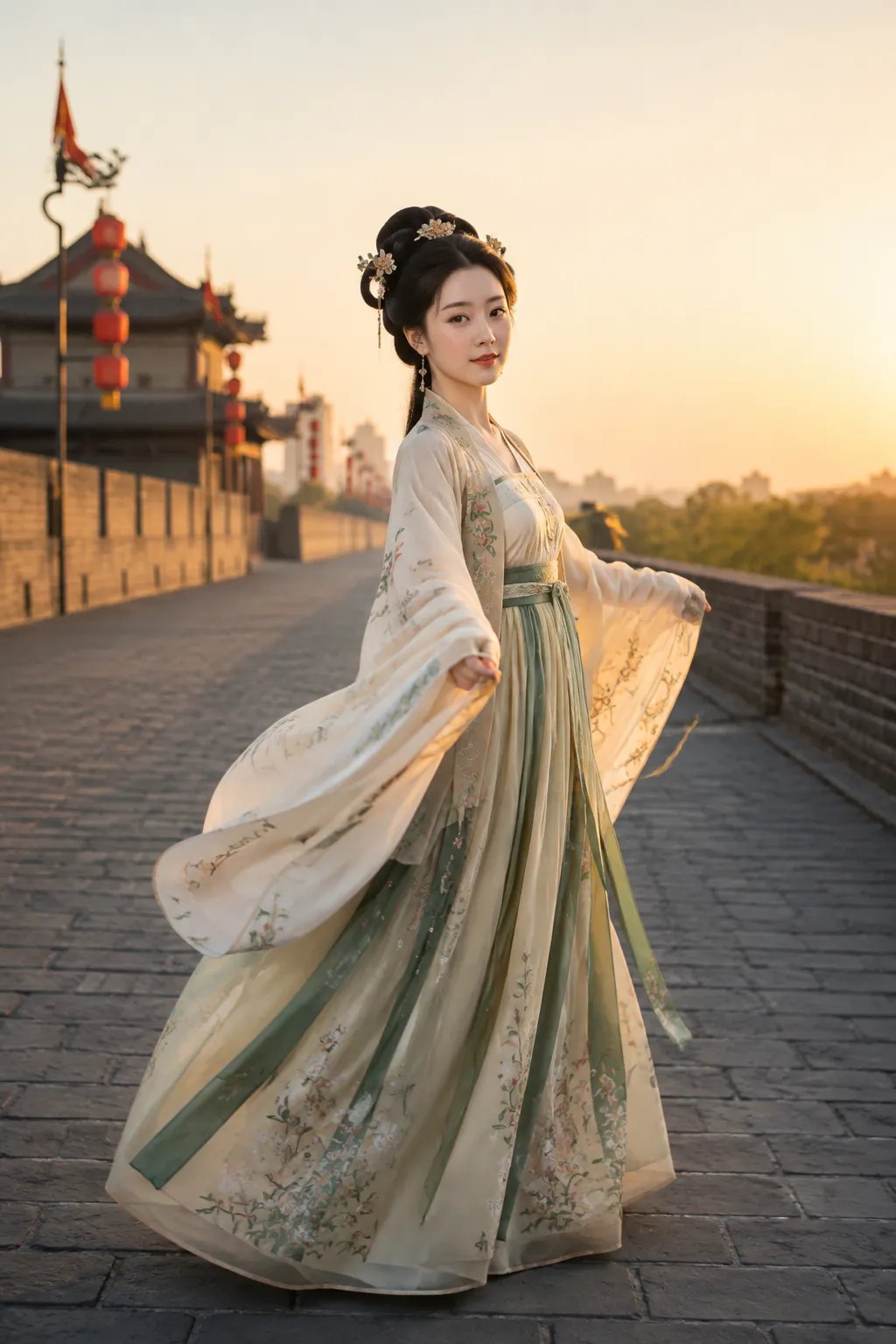
Tang Dynasty Ruqun at the South Gate
Shoot at golden hour (5-6 PM) when the setting sun paints the ancient stone amber. The South Gate (Yongningmen) offers the cleanest backdrop — rent from shops on Shuyuanmen Street, 100m west. Best months: April and October.
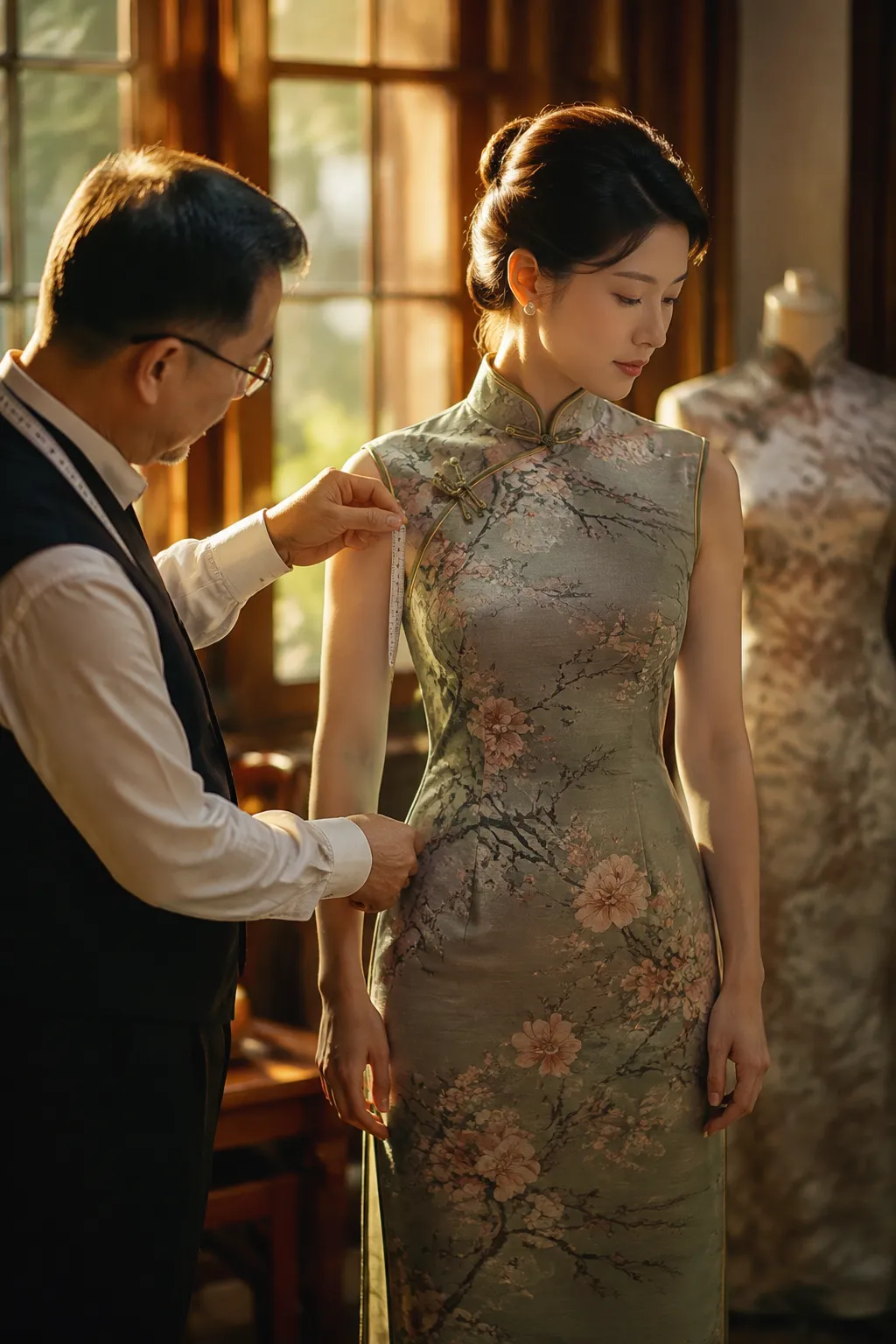
Custom Cheongsam in the French Concession
South Bund Fabric Market (3F, 399 Lujiabang Rd) — pick silk from the ground floor, get measured upstairs, return in 3-5 days. For the French Concession backdrop: Fuxing Road's plane-tree tunnel in November is unmatched.
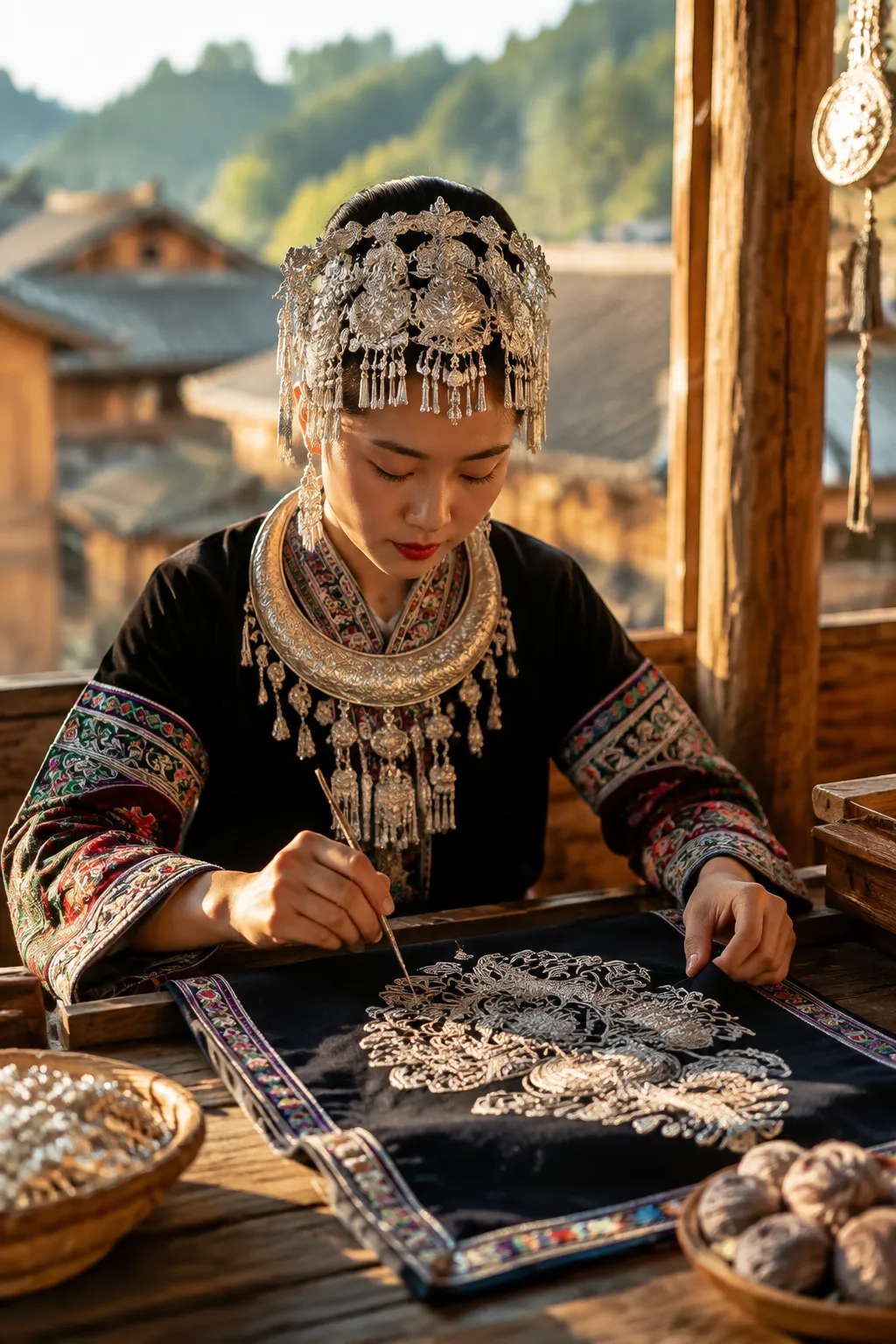
Full Silver Headdress in Xijiang Village
Xijiang Miao Village (千户苗寨) — the world's largest Miao settlement. Dress in a genuine silver headdress (some weigh 5+ kg) and embroidered jacket. Visit during the Miao New Year (varies, usually November) for the most elaborate costumes. Guiyang to Kaili by high-speed train: 40 min.
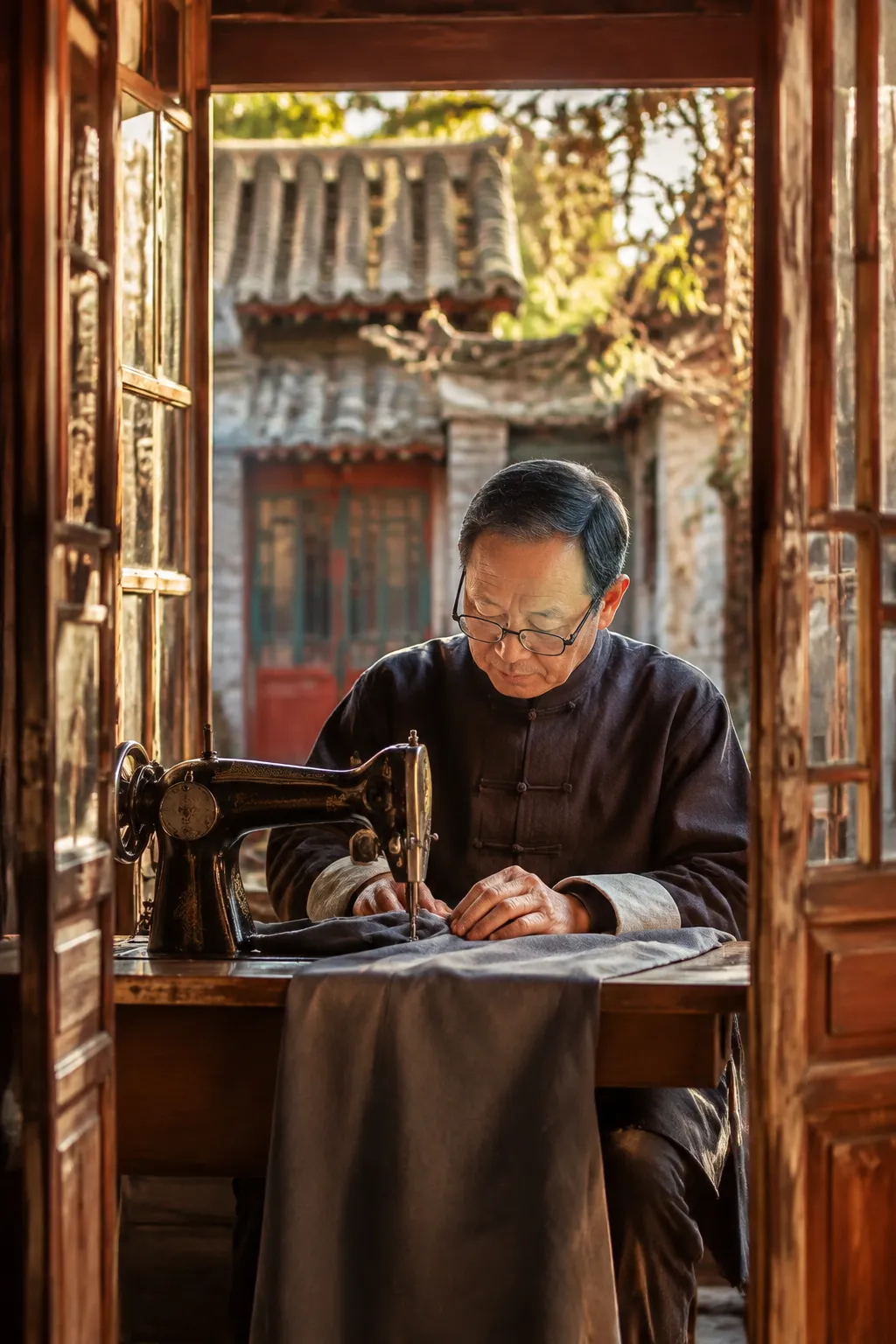
Mandarin-Collar Jacket in Nanluoguxiang
Nanluoguxiang's side alleys hide multi-generational tailor shops. A custom Tang suit with silk brocade and frog buttons runs 300-600 RMB, 3-4 day turnaround. Photograph against grey-brick hutong walls for maximum contrast — the red lanterns at dusk are a classic Beijing frame.
Classical Garden Shoot in Humble Administrator's Garden
Rent a silk qipao on Pingjiang Road (80-150 RMB for 4 hours), then walk 10 minutes to the Humble Administrator's Garden (拙政园). Entry: 80 RMB. Shoot in the 'Far Away Looking Pavilion' section — moonlight gates and borrowed views make every frame painterly. The garden opens at 7:30 AM; go early for empty pathways.
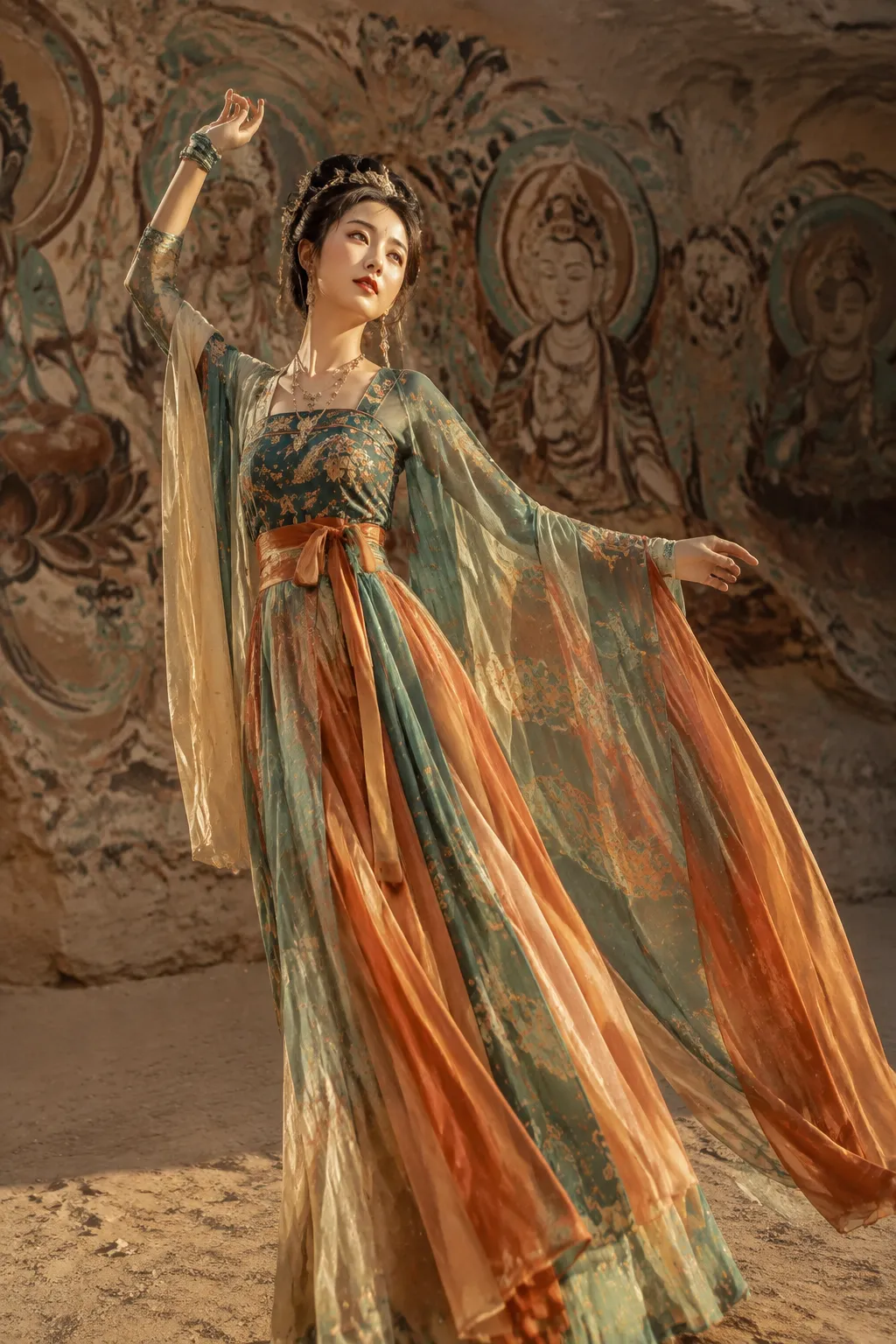
Mogao Cave-Inspired Feitian Costume at Mingsha Dunes
The 'flying apsaras' (飞天) costume — ribbon sleeves, high-waisted skirt, layered silk sashes — is inspired by Cave 320's famous mural. Shops near the Mogao Caves visitor center rent these (200-400 RMB with hair and makeup). Shoot at Mingsha Mountain's Crescent Spring at sunrise: golden dunes, no tourists, the ribbons catch the desert wind.

Traditional Chinese Wedding Attire
Chinese wedding Hanfu is among the most elaborate traditional clothing you'll encounter — layered silk robes in auspicious red, intricate gold embroidery, and phoenix-and-dragon motifs. Many couples now choose Hanfu weddings as an alternative to Western-style ceremonies. If you're traveling during wedding season (spring and autumn), you may spot bridal photoshoots at historic sites across China.

Hands-On Cultural Clothing Workshop
Beyond rental and photoshoots, many cities offer immersive workshops where you can learn about traditional clothing construction, try your hand at embroidery, or participate in a tea ceremony while dressed in period attire. These experiences are especially popular in Hangzhou (silk-related), Guizhou (Miao batik and embroidery), and Chengdu (Shu embroidery).
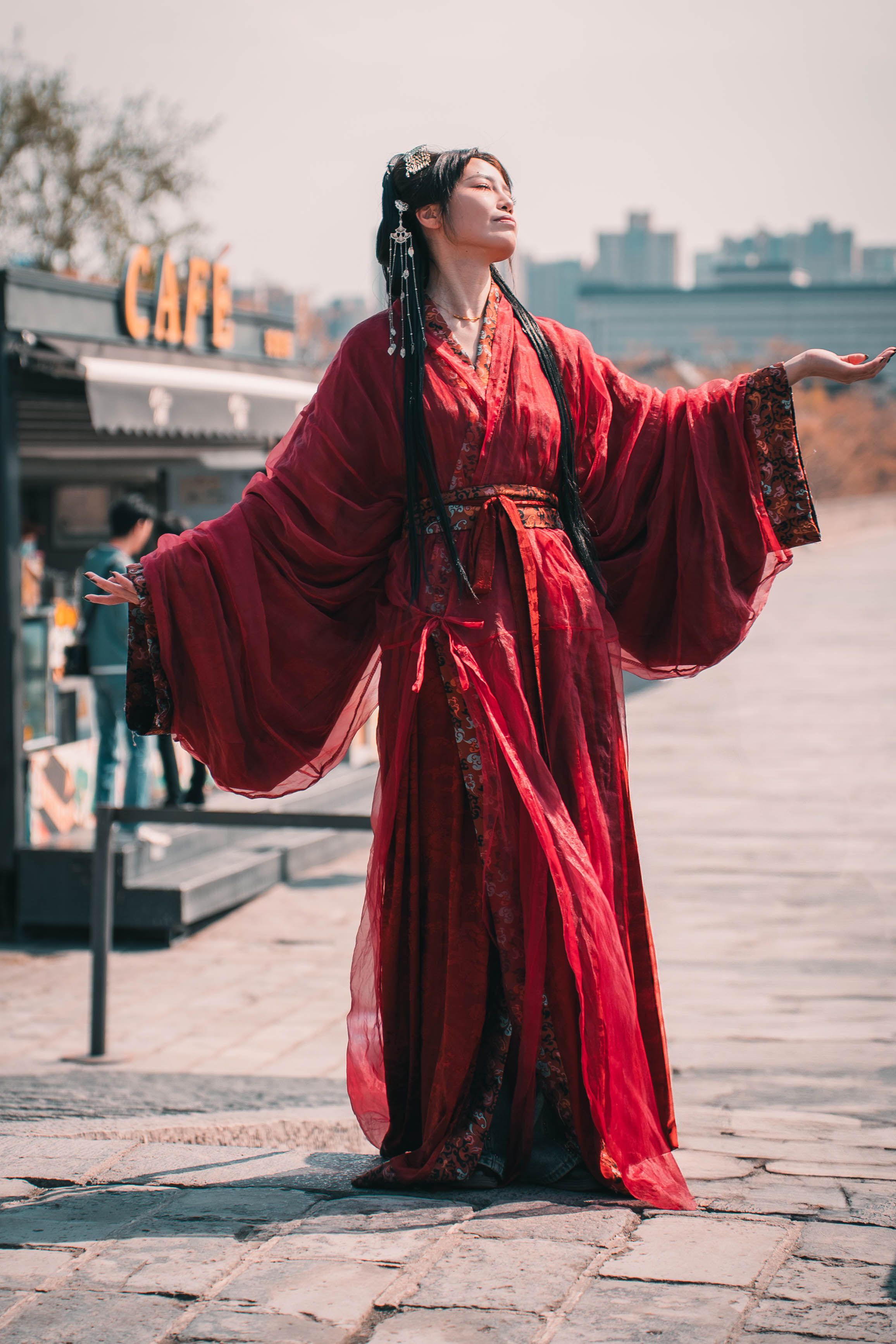
Traditional Meets Contemporary
The Hanfu revival isn't just about historical reenactment — it's a living fashion movement. Young designers blend traditional silhouettes with modern fabrics and cuts. In cities like Shanghai, Chengdu, and Hangzhou, you'll see people pairing a Ming dynasty mamian skirt with a modern blouse, or wearing a Tang-style jacket over jeans. This 'new Chinese style' (新中式) is one of China's most exciting fashion trends.
Your Gallery Photo Checklist
Planning a traditional-wear photoshoot in China? Here's what to prepare:
- Book your rental the day before — walk-ins work, but the best costumes go early. If you're shooting at sunrise, arrange pickup the evening prior.
- Bring a portable steamer — rental costumes may have fold creases from storage. A travel steamer (Xiaomi Deerma, ~80 RMB on Taobao) fixes this in 5 minutes.
- Wear nude undergarments — white or skin-toned seamless underwear. For Hanfu, a thin camisole and bike shorts prevent fabric from clinging. For qipao: shapewear or seamless thong.
- Golden hour is your superpower — 30 minutes before sunset. In China, this varies by season: 5:30 PM (winter) to 7:00 PM (summer). Check a weather app for exact times.
- Bring props from home — a paper fan (折扇), calligraphy brush, or vintage parasol looks more authentic than the rental shop's plastic alternatives. Buy these at local markets the day before.
- Learn 3 poses before you go — search "汉服拍照姿势" on Xiaohongshu (RED) for pose guides. Save screenshots to show your photographer or friend.
Want to Be Featured in Our Gallery?
Browse our Hanfu experiences and qipao tailoring guides to plan your own photoshoot. Not sure which style fits you? Check our style comparisons.
Last verified: August 6, 2026 · Our editorial team reviews and updates all guides regularly to keep pricing, hours, and travel advice current.